

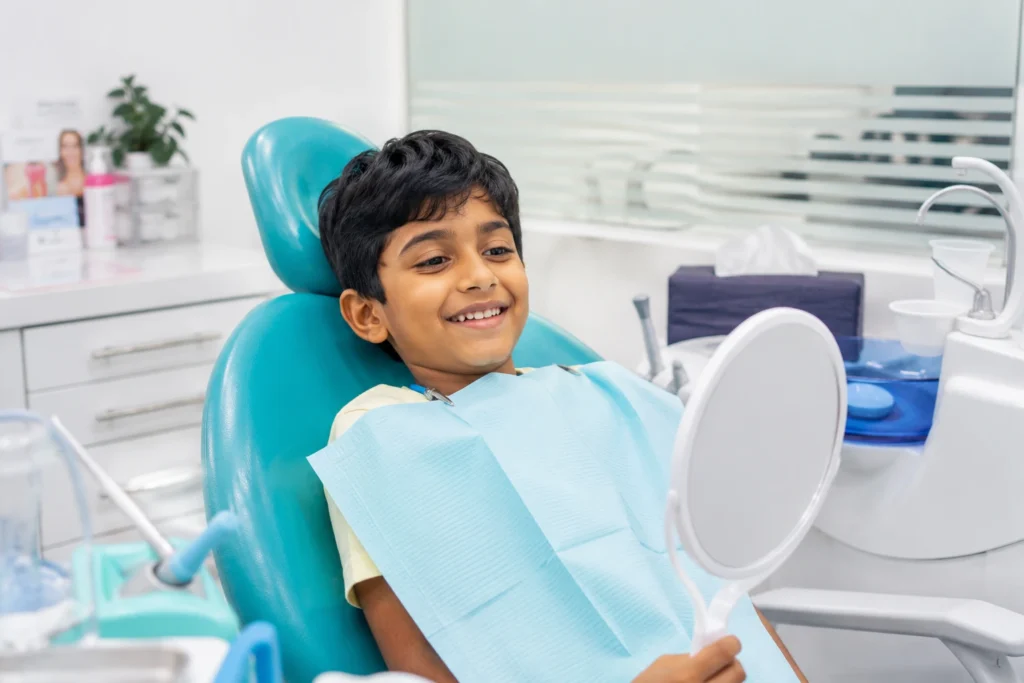
Every parent wants their child to grow up with a healthy, confident smile, and dental cavities remain one of the most common health problems affecting kids today. At Soulful Dental Care, led by Dr. Swapnil Rachha, we believe treating tooth decay does not have to mean drilling, discomfort, or fear. This is where Minimally Invasive Caries Management (MICM) comes in — a modern, science-backed approach that focuses on preserving as much of your child’s natural tooth structure as possible while stopping decay in its tracks. As a trusted Pediatric Dentist in Pune, our clinic combines gentle techniques with advanced diagnostic tools to catch cavities early and treat them with minimal intervention, keeping your child’s visit comfortable and stress-free. In this guide, we walk through what minimally invasive caries management really means, the specific techniques involved, the signs parents should watch for at home, and how choosing the right clinic can make a lasting difference to your child’s oral health and confidence.
What Is Minimally Invasive Caries Management?
Minimally Invasive Caries Management is a philosophy of dental care that shifts the focus from “drill and fill” to “detect, prevent, and preserve.” Instead of waiting until a cavity is large enough to require aggressive treatment, dentists identify early signs of decay using visual exams, magnification, and diagnostic aids, then intervene with the gentlest effective method. For children, whose baby and permanent teeth are still developing, this approach is especially valuable because it protects healthy enamel, reduces the need for anesthesia, and helps kids build positive associations with dental visits instead of dreading them. This philosophy is guided by a simple principle: a cavity treated at its earliest stage requires far less tooth removal than one that is left to grow, and every bit of natural enamel that is preserved helps the tooth stay stronger for years to come. Modern paediatric dentistry also leans heavily on risk assessment, meaning a dentist looks at a child’s diet, brushing habits, saliva flow, and past cavity history to predict where new decay is likely to appear and prevent it before it starts.
Common Signs of Early Tooth Decay in Children
Cavities do not always announce themselves with pain, which is why regular checkups matter so much. Parents can watch for a few early warning signs at home: white or chalky spots on the teeth, which often indicate the very first stage of enamel demineralization; brown or black spots that suggest decay has progressed further; sensitivity to cold drinks or sweets; visible pits or grooves on the chewing surfaces of molars; and bad breath that does not improve with brushing. Spotting any of these signs early and scheduling a checkup promptly gives your child the best chance of qualifying for a minimally invasive treatment option rather than a more involved procedure.
Why Parents Are Searching for Gentle Cavity Care
Most parents who look up cavity treatment online are not just curious about dentistry — they are worried about pain, anxious about their child’s fear of injections and drills, and searching for reassurance that a cavity does not automatically mean a painful procedure. That is exactly the concern minimally invasive dentistry addresses. If you have been searching for a Best Dental Clinic in Kothrud that treats children with patience and up-to-date techniques, understanding this approach will help you feel confident about what to expect at your child’s next appointment. Parents also frequently ask how to catch decay before it spreads, how many visits treatment will take, and whether early cavities can be reversed without any drilling at all — questions we answer in detail below.
Core Techniques Used in Minimally Invasive Dentistry
A range of gentle, evidence-based tools allows dentists to treat decay at its earliest stage. Here are the techniques commonly used for children:
- Fluoride Varnish: Strengthens enamel and helps reverse very early, non-cavitated decay without any drilling.
- Silver Diamine Fluoride (SDF): A liquid applied directly to a cavity to stop its progression, ideal for young or anxious children.
- Pit and Fissure Sealants: A protective coating placed on the chewing surfaces of molars to block bacteria and food particles.
- Glass Ionomer Restorations: Tooth-colored, fluoride-releasing fillings that bond well and require less tooth removal than traditional fillings.
- Ozone Therapy: Uses ozone gas to disinfect a cavity and slow bacterial activity, often avoiding the need for a drill.
- Air Abrasion: A fine stream of particles gently removes only decayed tissue, skipping the noise and vibration of a drill.
- Diet and Hygiene Counselling: Practical guidance on reducing sugar exposure and improving brushing habits to prevent new cavities.
How This Protects Your Child’s Smile Long-Term
Choosing a minimally invasive path early in a child’s dental journey has benefits that go well beyond a single appointment. Preserving natural tooth structure keeps teeth stronger for chewing, speech development, and guiding permanent teeth into the correct position later on. Because these techniques involve little to no discomfort, children are far less likely to develop dental anxiety, which means they are more likely to keep up with regular checkups as adults. Families who consult the Best Dentist in Pune for early intervention also tend to spend less on complex treatments over time, since small cavities are far cheaper and simpler to manage than deep decay that has reached the nerve of the tooth. Beyond the clinical advantages, there is an emotional benefit too: children who experience calm, painless dental visits early in life are more likely to view the dentist as a helpful part of their routine rather than something to fear, which sets the stage for a lifetime of consistent oral care.
What Happens During a Visit at Soulful Dental Care
A typical appointment with Dr. Swapnil Rachha begins with a gentle, thorough examination using digital imaging to spot decay while it is still small. Findings are explained to parents in simple terms, along with a clear picture of which minimally invasive option suits the child’s specific case. Treatment itself is usually quick and quiet, often completed in a single sitting, and is followed by a personalised home-care plan covering brushing technique, diet tips, and a recommended schedule for follow-up visits. Every step is designed to keep children calm, informed, and in control of their own comfort.
Choosing the Right Pediatric Dentist Near You
Not every dental clinic is equipped or trained to work with young patients using a minimally invasive approach, so choosing the right provider matters. If you are a parent based locally and typing “Dentist in Kothrud” into a search bar, look for a clinic that combines paediatric-friendly technology with a calm, child-centred environment. It also helps to read reviews from other families and ask about the specific techniques used for cavity treatment before booking. Many families comparing options for the Best Dentists Near Me in Kothrud, Pune find that clinics offering early detection tools and gentle restorative options provide a noticeably better experience for both children and parents.
Frequently Asked Questions
Q1. At what age should my child start dental checkups?
Most dentists recommend a first visit by the child’s first birthday or within six months of the first tooth appearing, so early decay can be caught before it becomes a bigger problem.
Q2. Does minimally invasive treatment hurt?
Most techniques, such as fluoride varnish, SDF, and sealants, are painless and require no anesthesia. Even restorative work involving air abrasion or glass ionomer fillings is generally far more comfortable than traditional drilling.
Q3. Can early cavities be reversed without drilling?
Yes. When decay is caught at the very early, non-cavitated stage, treatments like fluoride varnish and improved home care can often remineralize the enamel and stop the cavity from progressing further.
Q4. Is Silver Diamine Fluoride safe for children?
SDF is a well-studied, widely used treatment considered safe for children. It may temporarily darken the treated area of decay, which your dentist will discuss with you beforehand.
Q5. How often should my child visit the dentist?
A checkup every six months is generally recommended, though children at higher risk of cavities may benefit from more frequent visits as advised by their dentist.
Q6. Does Soulful Dental Care offer minimally invasive treatment for kids?
Yes, minimally invasive caries management is a core part of our paediatric dental care, tailored to each child’s comfort level and stage of tooth development.
Book Your Child’s Appointment Today
Protecting your child’s smile starts with catching problems early and choosing a gentle, modern approach to treatment. If you have been searching for a Pediatric Dentist Near Me who prioritises comfort, prevention, and long-term dental health, our team is here to help. Schedule a consultation with Dr. Swapnil Rachha at Soulful Dental Care today and give your child the confident, healthy smile they deserve. Call our clinic or book your visit online — your child’s comfortable, cavity-free future starts here.
Address: Office No.308, 3rd Floor, Success Square , above Tanishq Showroom Karve Putala Chowk, Karve Road Kothrud, Pune 411038