

If your child’s newly erupted molars look discoloured — chalky white, yellow, or brown — and seem unusually sensitive to hot and cold, it may not be ordinary tooth decay. It could be Molar Incisor Hypomineralisation, commonly known as MIH. This condition affects an estimated 1 in 7 children worldwide, yet many parents have never heard of it until a dentist points it out.
MIH is often misdiagnosed as cavities or poor brushing habits, which delays proper care. Understanding what MIH actually is, what causes it, and how it’s treated can help you act early and protect your child’s long-term oral health. Dr. Swapnil Rachha from Soulful Dental Care explains everything parents need to know.
What Is MIH (Molar Incisor Hypomineralisation)?
MIH is a developmental defect in which the enamel of permanent first molars — and often the permanent incisors — fails to mineralise properly during formation. The enamel forms, but it is softer, more porous, and weaker than normal enamel.
Because this enamel is structurally compromised, affected teeth wear down faster, break more easily, become highly sensitive, and are far more vulnerable to decay. The defect develops long before the teeth erupt, typically during the first three years of life when these permanent teeth are forming beneath the gums.
Importantly, MIH is not caused by anything your child did or didn’t do after the teeth appeared. It is not a result of poor brushing or too many sweets.
What Causes MIH in Children?
The exact cause of MIH is still being researched, but evidence points to disruptions during enamel formation in early childhood. Commonly associated factors include:
- Illness with high fever during infancy or early toddlerhood
- Respiratory infections, asthma, or chronic ear infections in the first years of life
- Antibiotic use in early childhood, particularly certain broad-spectrum antibiotics
- Complications during pregnancy or birth, including premature birth or low birth weight
- Vitamin D deficiency or nutritional deficiencies affecting mineralisation
- Genetic predisposition, as MIH appears to run in some families
In most cases, no single cause can be identified — it’s usually a combination of factors occurring during a narrow developmental window. Parents should understand this clearly: MIH is not the result of parental neglect.
Signs and Symptoms Parents Should Watch For
1. Discoloured Patches on Molars or Front Teeth
Look for creamy white, yellow, or brownish patches with clear boundaries, distinct from the surrounding healthy enamel. Darker patches generally indicate more severe mineralisation loss.
2. Extreme Tooth Sensitivity
Children with MIH often react strongly to cold drinks, hot food, or even cold air. Some find brushing painful, which can create a cycle of avoidance and worsening hygiene.
3. Rapid Enamel Breakdown
Affected teeth may chip, crumble, or lose chunks of enamel shortly after erupting, sometimes within months.
4. Frequent Cavities Despite Good Hygiene
If your child brushes well but still develops repeated cavities in the same molars, MIH may be the underlying reason.
5. Difficulty Numbing During Dental Treatment
Children with MIH often require more local anaesthetic, as inflamed nerve tissue inside affected teeth responds differently.
If you notice any of these signs, an evaluation by an experienced Pediatric Dentist in Pune can confirm the diagnosis and rule out ordinary decay.
How Is MIH Diagnosed?
Diagnosis is primarily visual, performed on clean, wet teeth by a trained dentist. The dentist assesses the size, colour, and location of enamel defects, checks for post-eruptive breakdown, and evaluates sensitivity levels. X-rays may be used to check how deep the damage extends and whether the pulp is affected.
Severity is usually classified as mild, moderate, or severe, which directly determines the treatment approach.
Treatment Approaches for MIH
Treatment depends on severity, the child’s age, and how many teeth are involved.
Mild Cases
- Fluoride varnish applications to strengthen remaining enamel
- CPP-ACP (casein phosphopeptide) creams to promote remineralisation
- Desensitising toothpastes for sensitivity management
- Fissure sealants to protect vulnerable chewing surfaces
Moderate Cases
- Glass ionomer restorations as intermediate protective fillings
- Composite resin restorations for aesthetic and functional repair
- Preformed metal crowns to cover and protect badly weakened molars
Severe Cases
- Stainless steel or zirconia crowns for full-coverage protection
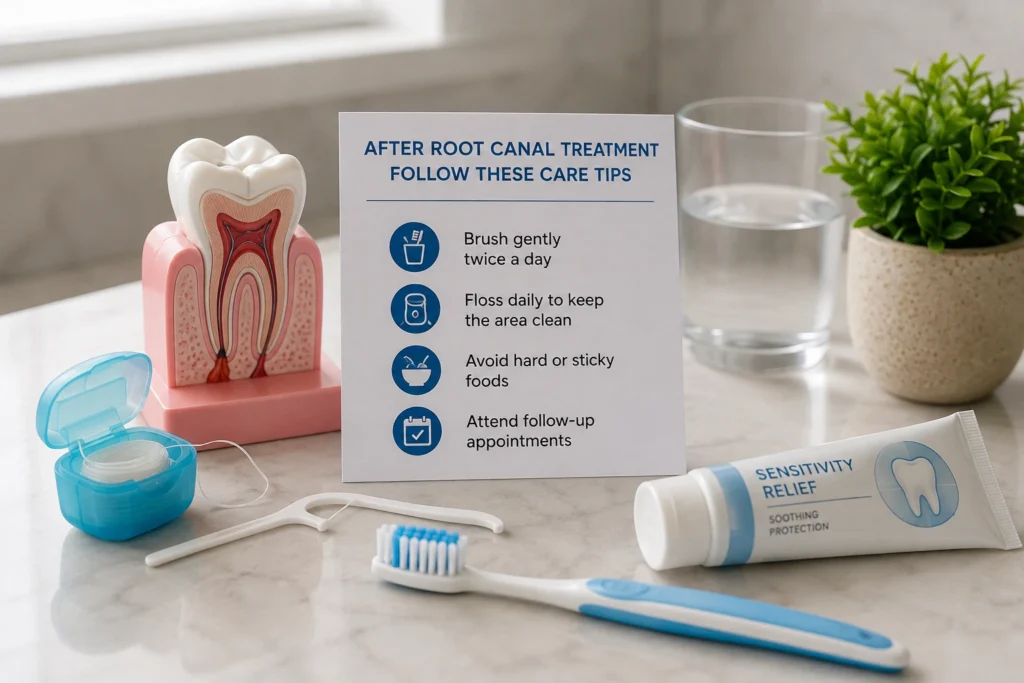
- Root canal treatment if the pulp is irreversibly inflamed
- Planned extraction with orthodontic management, timed carefully so remaining teeth can shift into optimal positions
For front teeth affected by MIH, cosmetic options like microabrasion, resin infiltration, or composite veneers can improve appearance once the child is old enough.
Choosing the right provider matters here — a skilled Dentist in Kothrud with pediatric restorative experience can preserve compromised teeth far longer than repeated conventional fillings, which tend to fail on weakened enamel.
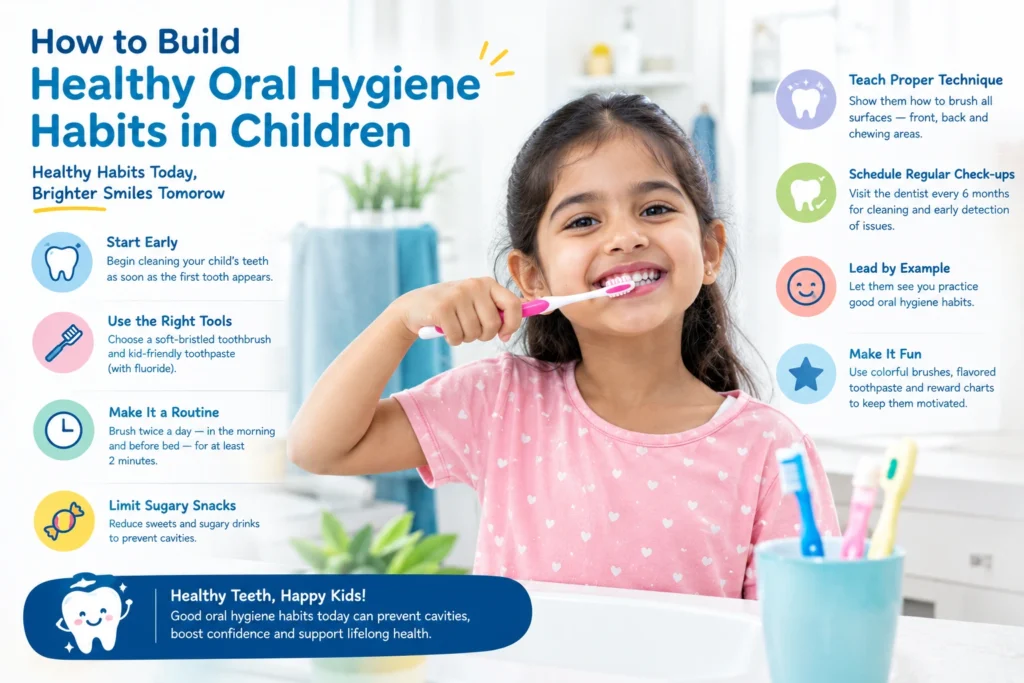
Daily Care Tips for Children with MIH
- Use a soft-bristled brush and lukewarm water to minimise sensitivity
- Choose high-fluoride toothpaste as recommended by your dentist
- Limit acidic drinks like citrus juices and sodas, which accelerate enamel erosion
- Schedule check-ups every three to four months rather than every six
- Never skip appointments — early intervention prevents extractions later
Parents seeking the Best Dentist in Pune for ongoing MIH management should prioritise clinics offering preventive monitoring, not just reactive fillings.
Frequently Asked Questions
Q1. Is MIH caused by too much sugar or poor brushing?
No. MIH develops before teeth erupt, during enamel formation in early childhood. Diet and hygiene affect how quickly affected teeth deteriorate, but they don’t cause the condition.
Q2. Can MIH be cured completely?
The defective enamel cannot be regenerated, but with early diagnosis and proper management, affected teeth can be protected and preserved for many years.
Q3. Will MIH affect my child’s adult teeth permanently?
MIH affects permanent first molars and incisors. With timely treatment, most children maintain full function and normal appearance into adulthood.
Q4. My child cries during brushing — is that normal with MIH?
Sensitivity is a hallmark symptom. Speak to your dentist about desensitising products rather than allowing your child to avoid brushing altogether.
Q5. How do I find the right clinic for MIH care?
Look for a Best Dental Clinic in Kothrud with documented pediatric restorative experience, since MIH management requires specialised materials and techniques. Reviews from parents who searched for the Best Dentists Near Me in Kothrud, Pune can also help you gauge how child-friendly a practice truly is.
Get Your Child Evaluated for MIH Today
MIH is far more common than most parents realise — and far more manageable when caught early. Discoloured, sensitive molars are not something to wait out. The sooner enamel is protected, the less likely your child will need extensive restorations or extractions later.
If you’ve noticed chalky patches or unusual sensitivity in your child’s teeth, don’t dismiss it as ordinary decay. Families searching for a trusted Pediatric Dentist Near Me and the Best Pediatric Dentist doctors Near Me in Pune rely on Dr. Swapnil Rachha and the team at Soulful Dental Care for accurate MIH diagnosis and gentle, long-term care. Book your child’s evaluation today.